
Reception & Consultation
Patient registration, history taking, physical examination and clinical consultation.
The 42-ft mobile unit is organized into four functional clinical areas, each supporting a different stage of patient assessment, diagnosis and treatment.
Patient registration, history taking, physical examination and clinical consultation.
On-site diagnostic testing and basic laboratory investigations.
Digital X-ray and ultrasound for point-of-care diagnostic imaging.
Medication storage and dispensing following clinical assessment.
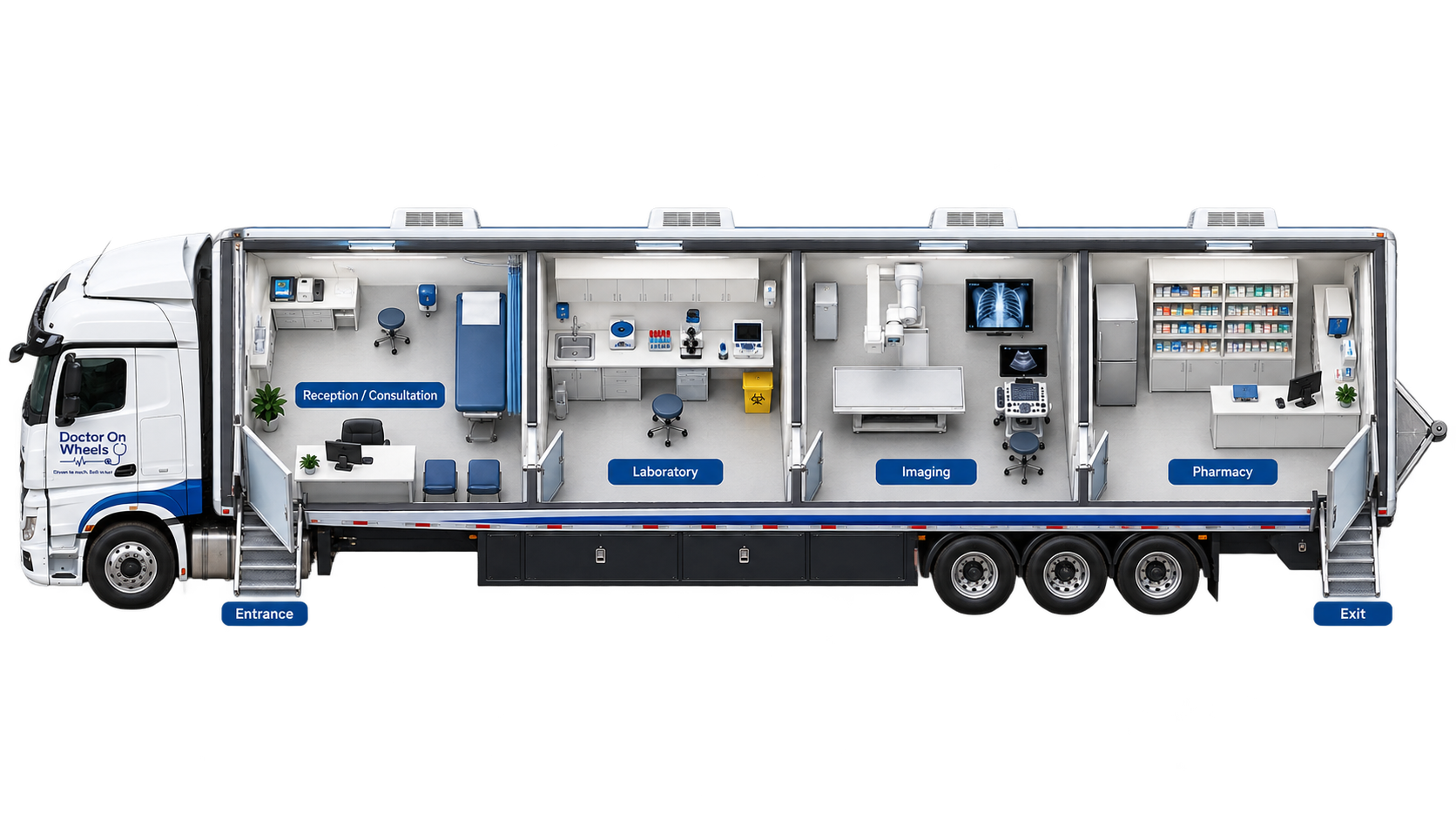
Compact clinical equipment supports assessment, diagnostic imaging, patient monitoring and treatment within the mobile unit.
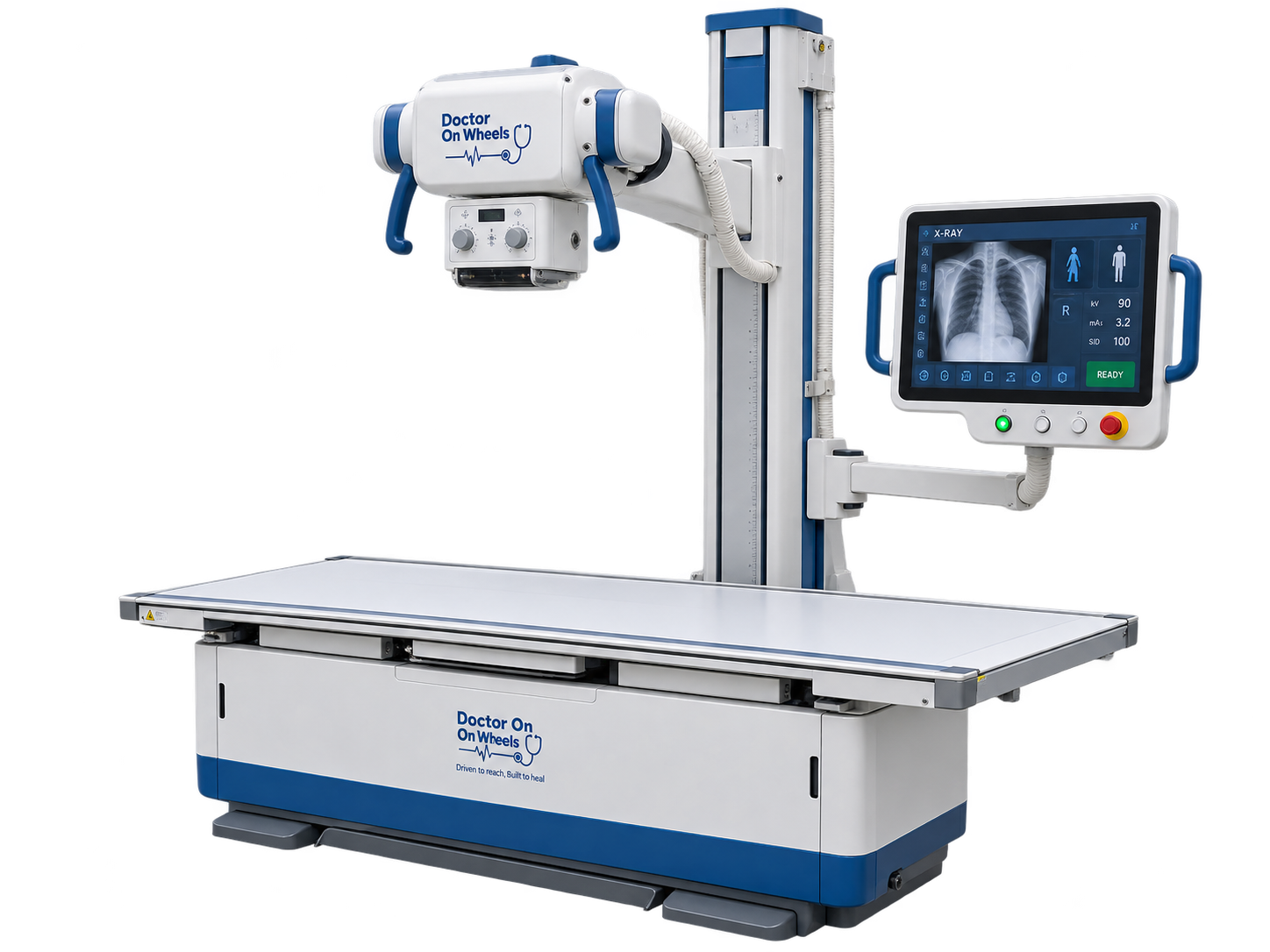
Compact digital radiography designed to support diagnostic imaging within the mobile clinic.
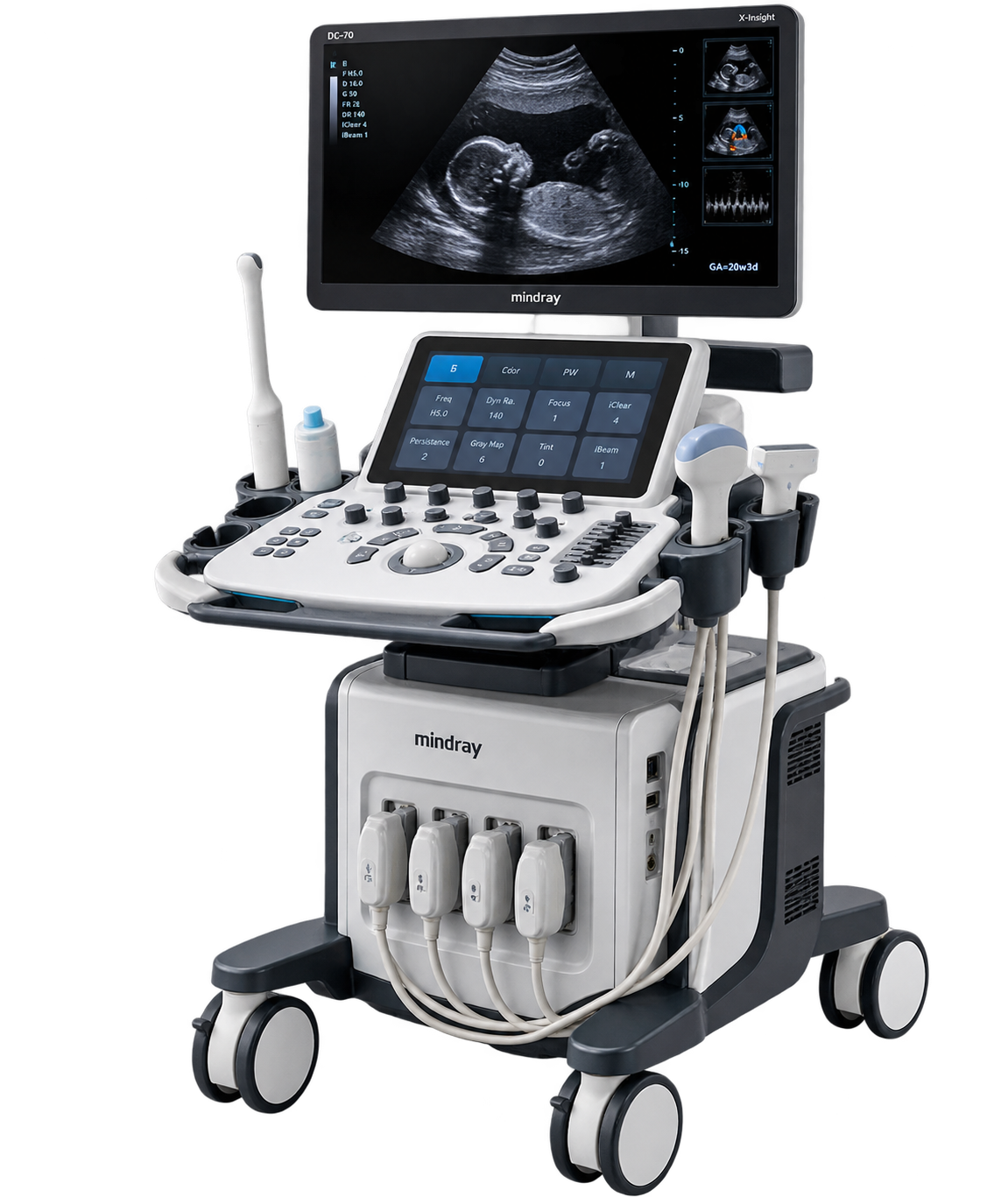
Portable point-of-care ultrasound supporting clinical assessment and diagnostic imaging.
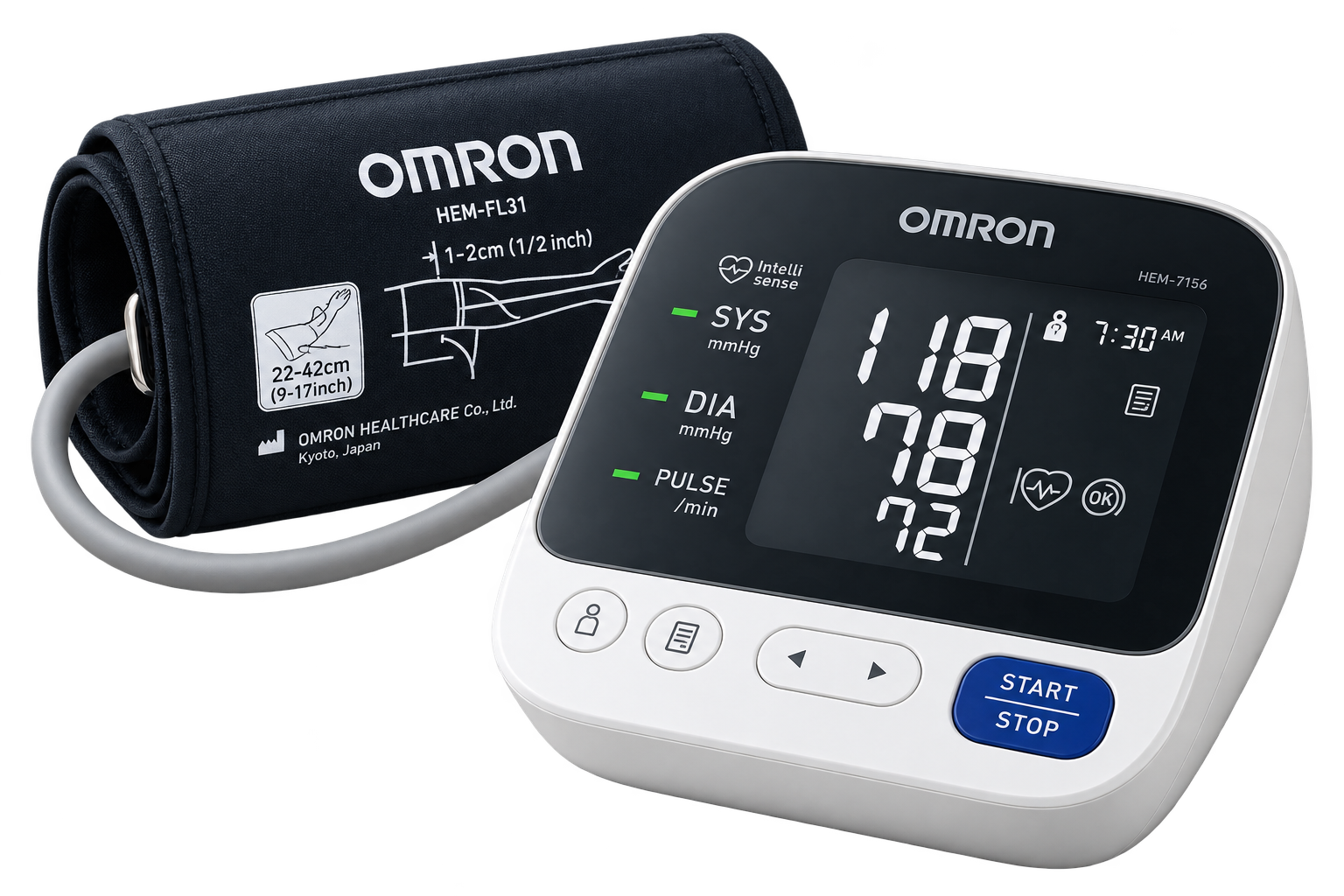
Vital-sign monitoring equipment supporting routine clinical assessment and observation.
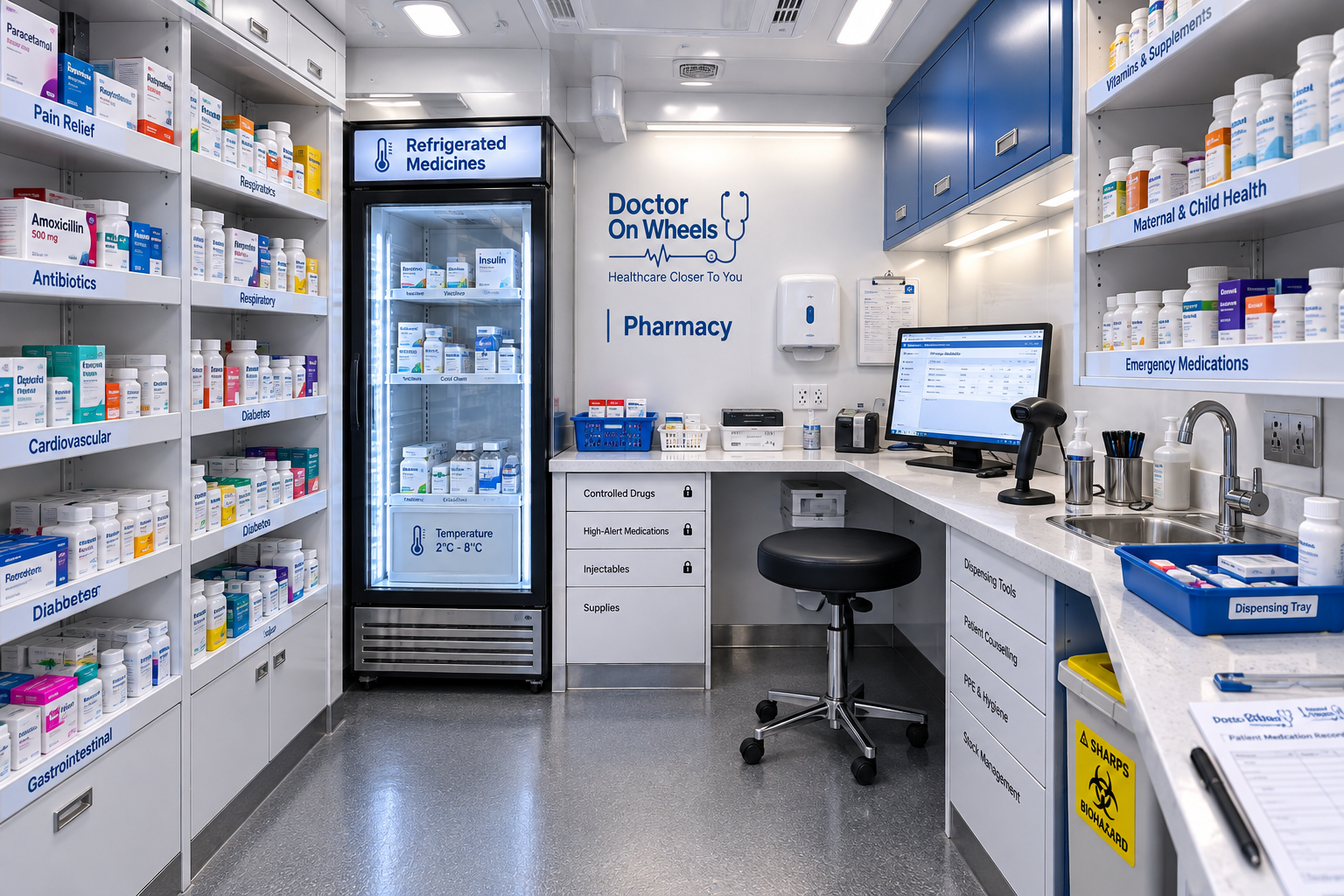
Organized medication storage and dispensing designed to support treatment at the point of care.
Helps organize symptoms and relevant patient information to support clinical decision-making.
Rule-based systems organize relevant clinical information to support healthcare professionals.
Electronic storage of patient details, clinical findings, results and visit history.
Supports delivery of results, instructions and follow-up information after a patient visit.
Digital tools and clinical equipment are designed to support healthcare professionals while clinical judgement and patient care remain in human hands.
Doctor On Wheels is intended for deployment across rural, remote and underserved communities, beginning with an initial targeted rollout in Kenya.
Explore Planned Coverage →Partnerships can help move Doctor On Wheels from concept to community deployment.